# How To Learn Photography: Step By Step Guide To Better Photographs
There are very few creative arts that can yield as much pleasure as photography can. With Photography you’ll be able to cherish those special moments captured on an instant forever, and if that was not all photography offers unique views on life through the eyes of the creator. Learning photography is not a difficult thing regardless of whether you use a smartphone or a high-end DSLR. Practice the tips below and you’ll notice remarkable improvements in your photographs:
1. Get acquainted with your camera.
The very first step of learning photography requires you to familiarize yourself with all the settings and modes on your camera. You don’t have to be a technical wizard for this: a simple user manual, online articles, or even beginner-friendly tutorials would do the trick. Understand each and every button, menu and modes that are available.
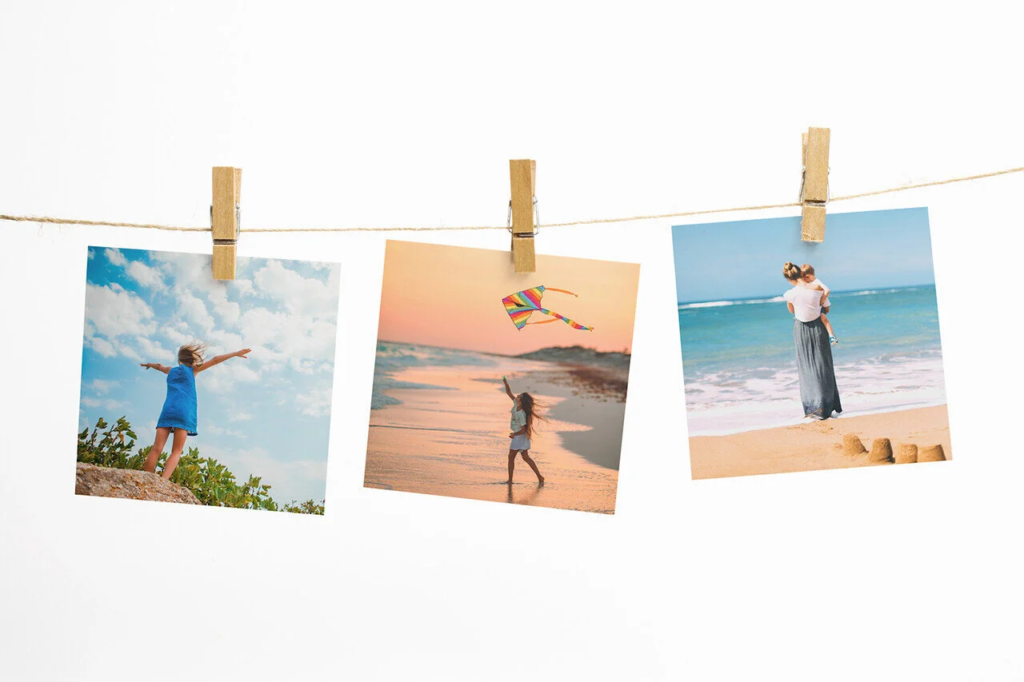
Your iPhone may have special portrait mode, while your smartphone may offer many other amazing settings such as HDR, which you can familiarize yourself with to make it better.
Remember the most valuable possession you have when it comes to photography is you; not your expensive gear.
2. Master the Exposure triangle..
A decent shot basically begins with excellent light exposure. The Exposure triangle helps you with the exact balance of light to create excellent images.
* Aperture: The amount of light that enters your camera as well as influence depth of field of view, which is the measure of how shallow of a depth is maintained between the nearest and the furthest subject that is in acceptable sharpness in an image.
* Shutter speed: The measure of how long the camera exposes your photo. Short shutter speeds tend to freeze moving objects.
* ISO: It’s a setting that helps control light. It basically describes the sensitivity of light and the effect that it have on the resulting images when a picture taken with low or high ISO is taken.
Learning how each of these factors impacts your image as well as how you balance it is the one of the main steps that will lead you to becoming a great photographer.
3. Photography is also about how you Compose your shots.
Good composition skills are required to enhance the beauty and relevance of your photos. It helps your pictures look artistic. Try these tips to enhance compositions skills:
* Place your subject off-center in accordance to the rule of thirds to achieve a better composition.
* Use natural frames to add depth to your photo.
* Add symmetry to balance things up.
These few composition tricks can make an ordinary click extraordinary!
4. Understand light.
Light plays a very critical role in Photography. A master photographer recognizes good lighting and how to make the most out of it. The light that shines during the early morning hours and after the setting sun (also called Golden Hours) is what most professional photographers fall back on.
Find ways to make the most out of the naturally available light as your subject and you may never have to use artificial lights again.
When photographing indoor shoots try to make use of nearby natural window lighting and try to avoid shooting in a location that is too brightly lit, such as outdoor midday lighting.
5. Try out different type of photography.
Try various styles of Photography such as Wildlife, landscape, product photography, street photography, travel photography and more! Trying new kinds of Photography expands your view on your craft, introduces new challenges, and most notably, enhances the entire gamut of your photographic knowledge and experience.
6. Master the Art of photo-editing.
Once you’ve captured some truly amazing photographs of your own, it’s time to learn about picture-editing techniques to make them look even better. Tools like Adobe Lightroom or Photoshop can do wonders for you! These simple but effective tools help you correct light issues, bring more definition to your photos, and overall give your images an professional look. But always ensure that your photos do not look over-processed; keep them as natural as you could; unless there is no option.
7. Practice, Practice and some More Practice!
Learning a new skill like Photography necessitates repetition and practice, which is also another significant aspect of learning. Carry your camera everywhere and you’ll undoubtedly discover a unique occasion to shoot everyday. Experiment using camera settings, varying lighting conditions and unique compositions with different perspectives. There will surely be many mistakes and a lot of images that don’t turn out great but all this learning is invaluable.
Takeaway
Learning photography can be rewarding as long as you invest time and effort. Practice these guidelines, keep your curiosity intact, show a degree of patience, and most importantly, remember to enjoy the entire process of creation. Each photograph represents a moment, so preserve it well.
You can also search for many courses that could aid your process even better.
Happy photographing!